
- Published on
Technology Updates That Quietly Create Businesses
- Authors

- Name
- Westin Tanley
- @HiWestin
I have been checking eSIM cards lately, doing research before a trip abroad. One thing led to another, and I ended up down a rabbit hole: when did eSIM actually launch? Turns out the standard landed in 2017. Then I looked up Nomad, one of the most well-known eSIM travel services out there. They launched in 2020.
Three years. That is the gap between a technology existing and a real business forming around it.
That gap is where the opportunity lives.
The eSIM Window
eSIM was not an overnight revolution. The standard dropped, a handful of carriers adopted it slowly, and most people had no idea it existed. It took time for smartphone support to spread — iPhone XS in 2018, Android devices following — before the install base was large enough to build a consumer product on top of.
By the time Nomad launched in 2020, the foundation was solid. Travelers could buy a data plan without hunting for a SIM card at the airport. The technology was ready. The problem was real. The business made sense.
The founders did not invent eSIM. They watched it mature and moved when the window opened.
A Small iOS Update That Made an App Go Viral
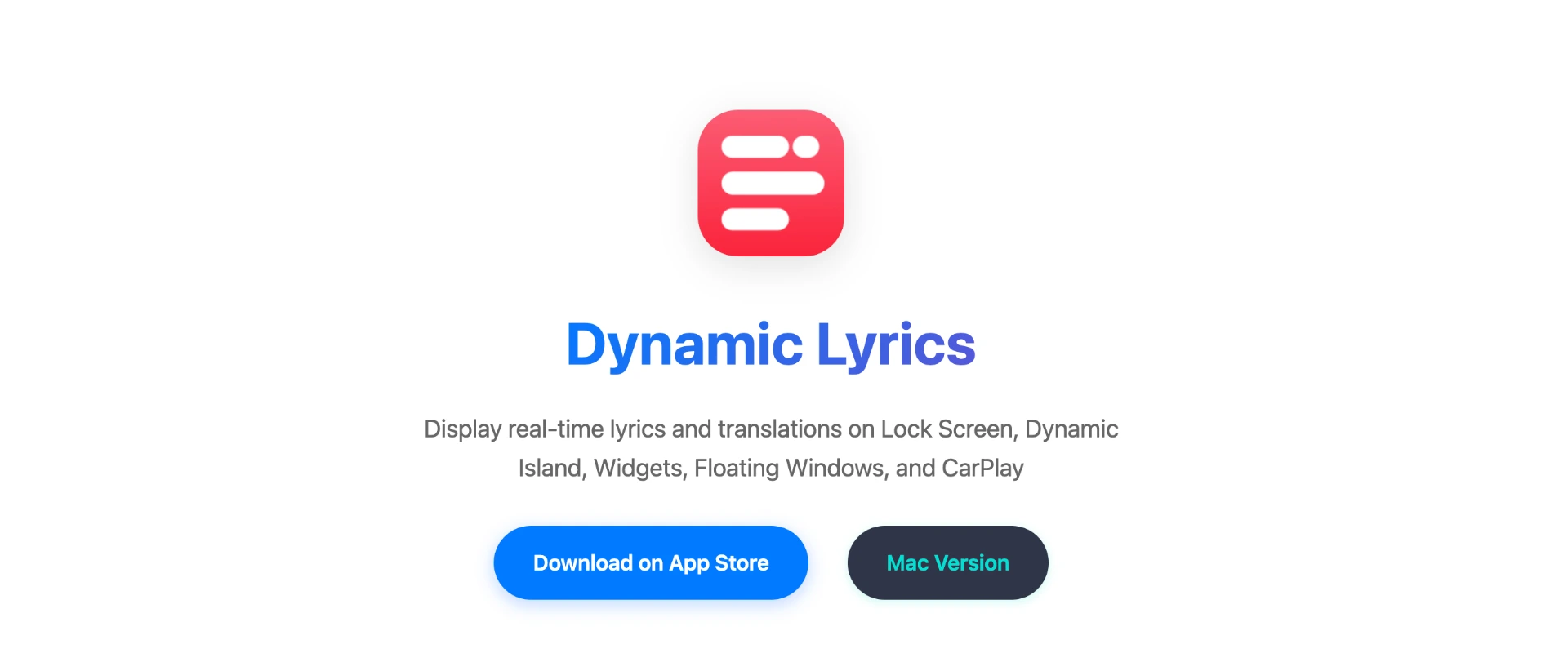
A few days ago I was looking for a way to show song lyrics on CarPlay. I found an app called DynamicLyrics.
It was a small, simple app — the kind that gets built over a weekend and quietly sits in the App Store. It launched in September 2019 and did not make much noise.
Then, in late 2025, Apple shipped iOS 26. The update expanded CarPlay's dashboard with proper widget support and a new stack system. Apple Music started pushing real-time, time-synced lyrics directly to the dashboard. What had been a feature buried inside the app was now visible on your car screen without touching your phone.
DynamicLyrics suddenly made sense to a lot more people. An app that had existed for years went viral — not because it changed, but because the platform around it finally caught up.
One OS update. One previously invisible product now in front of millions of drivers.
What Built My Own Businesses
I run two sites: QuickLRC and Karadeo. Both live in the music and karaoke space. And both exist because of AI.
Specifically, because of AI audio stem separation — the technology that lets you take a song and split it into its individual components: vocals, instrumental, and so on. When tools like this became accessible to regular people, not just audio engineers in a studio, it changed what was possible.
Suddenly someone at home could strip a vocal track, create a clean instrumental, sync lyrics to it, and produce a karaoke version of almost any song. The workflow became real. The tools were there. The audience was huge.
I built around that moment. QuickLRC is an AI LRC generator — it uses AI to automatically generate synced timestamps for lyrics, turning plain text lyrics into a perfectly timed LRC file. Karadeo is a karaoke editor and tools platform for singers and video creators. Neither would exist without that AI wave making stem separation accessible.
The Pattern
Look at what these three examples share:
- eSIM (2017) → Nomad (2020): A new standard needed time to reach critical hardware and user adoption before a business could sit on top of it.
- iOS 26 CarPlay widgets → DynamicLyrics viral moment: A platform update changed the reach of an existing product overnight.
- AI music stem separation → QuickLRC and Karadeo: A capability shift unlocked an entirely new lyrics syncing and karaoke tooling market.
In every case, the technology did not arrive with a neon sign saying "build a business here." It arrived quietly, matured slowly, and then — for those paying attention — it opened a door.
What to Watch Right Now
If the pattern holds, then the question is not just what technology exists today. It is what technology is in that 2017-to-2020 phase right now, waiting for the hardware, the platform, or the user base to catch up.
OpenClaw is one example I keep thinking about. It is early. The use cases are not obvious yet. But a year from now, maybe two — there will be products built on top of it that seem inevitable in hindsight. There always are.
The businesses that win in these windows are rarely the ones that invented the underlying technology. They are the ones that watched closely, understood what had changed, and moved before the opportunity became obvious to everyone else.
I did not start QuickLRC or Karadeo with a grand vision. I saw a technology shift, understood what it made possible, and built something useful around it. That is the whole story.
The next version of that story is happening somewhere right now. The technology is already out there. It just has not found its business yet.